Specifications
Finish: Satin
Type: Polymerizing
Product Form: Liquid
Scent: Unscented
VOCs: 0%
Sizes: 16 oz
Coverage: 2.5 - 3.5 sq ft per ounce
Ingredients: Polymerized Tung Oil
Certifications:
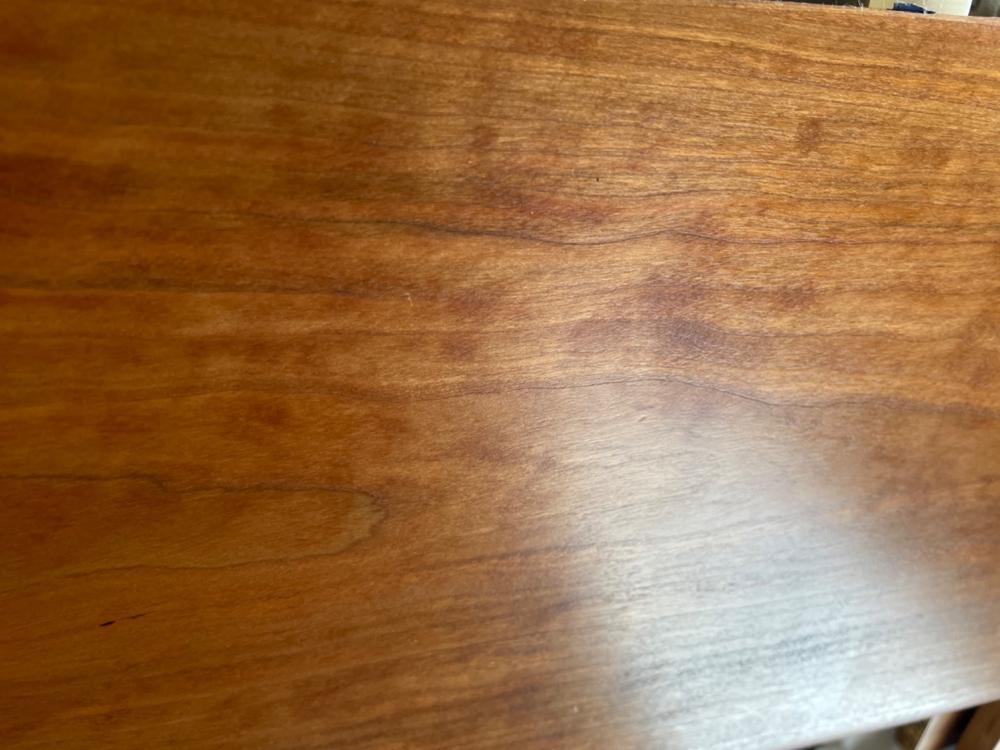
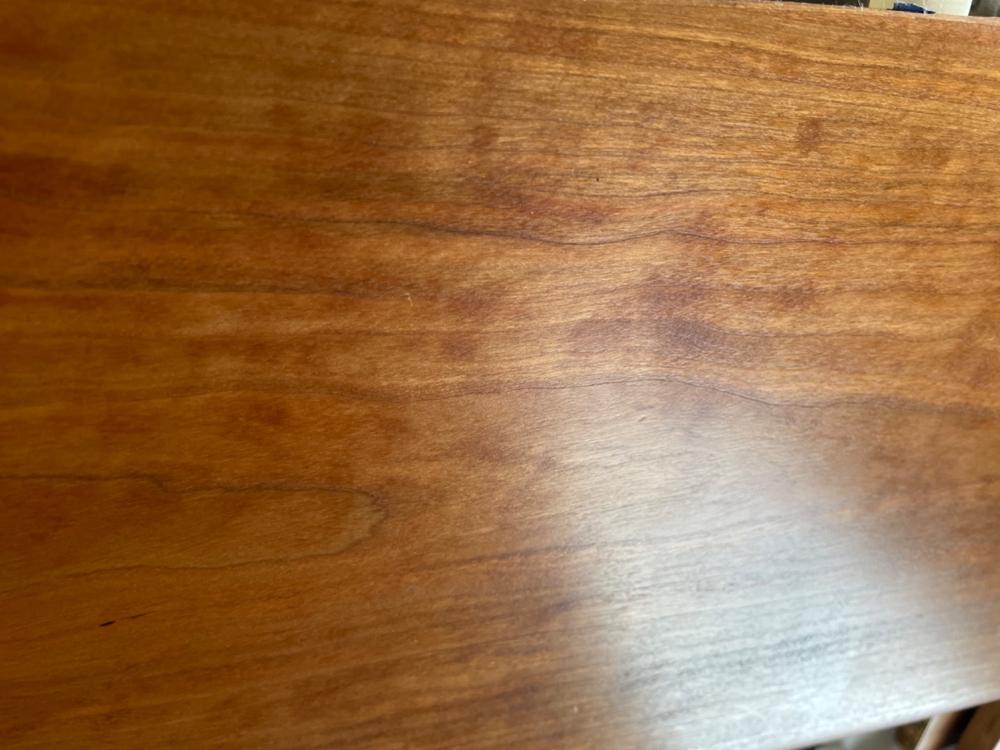
Product Uses: Hardwood Floors, Kitchen Cabinets and Counters, Indoor and Outdoor Furniture
Application
Prep unfinished surface by sanding at 220-600 grit. Shake bottle well, then apply thin layer of oil to entire surface. Allow 12-24 hours to dry then wipe away excess. For deeper penetration thin oil with a natural solvent. Apply multiple coats for stronger finish.
Product Care
Store in a cool, dry place. Keep container sealed when not in use. For best results, use within 1 year after opening. With proper storage, product can remain effective for 2+ years.